Search has altered. Big language models now respond to concerns straight, sum up companies, and surface names that never appeared in the blue links of traditional search. Generative Engine Optimization, or GEO SEO, is the emerging discipline for those who desire exposure in this brand-new landscape. Whether you're a solo expert or running a Boston GEO SEO Company, understanding how to rank for LLM-driven answers is no longer optional.
The Shift: From Classic Search to Generative Engines
For years, SEO concentrated on algorithmic online search engine like Google or Bing. Now, platforms such as ChatGPT and Perplexity produce answers by manufacturing data from throughout the web. Instead of lists of links, users get manufactured responses - in some cases without attribution or with minimal citations.
This shift raises the bar for discoverability. It's insufficient to be on page one; your brand name or info must become part of the language designs' training information and retrieval pipelines. That implies reassessing whatever from material strategy to technical SEO.
Why GEO SEO Matters Now
Local companies especially have actually felt this effect initially. Ask a chatbot for "the best sushi dining establishment in Boston" and it might discuss places whose websites hardly ever appear atop Google searches. That's due to the fact that LLMs aggregate mentions from news posts, evaluations, directories, and social chatter - not just ranking signals from timeless search engines.
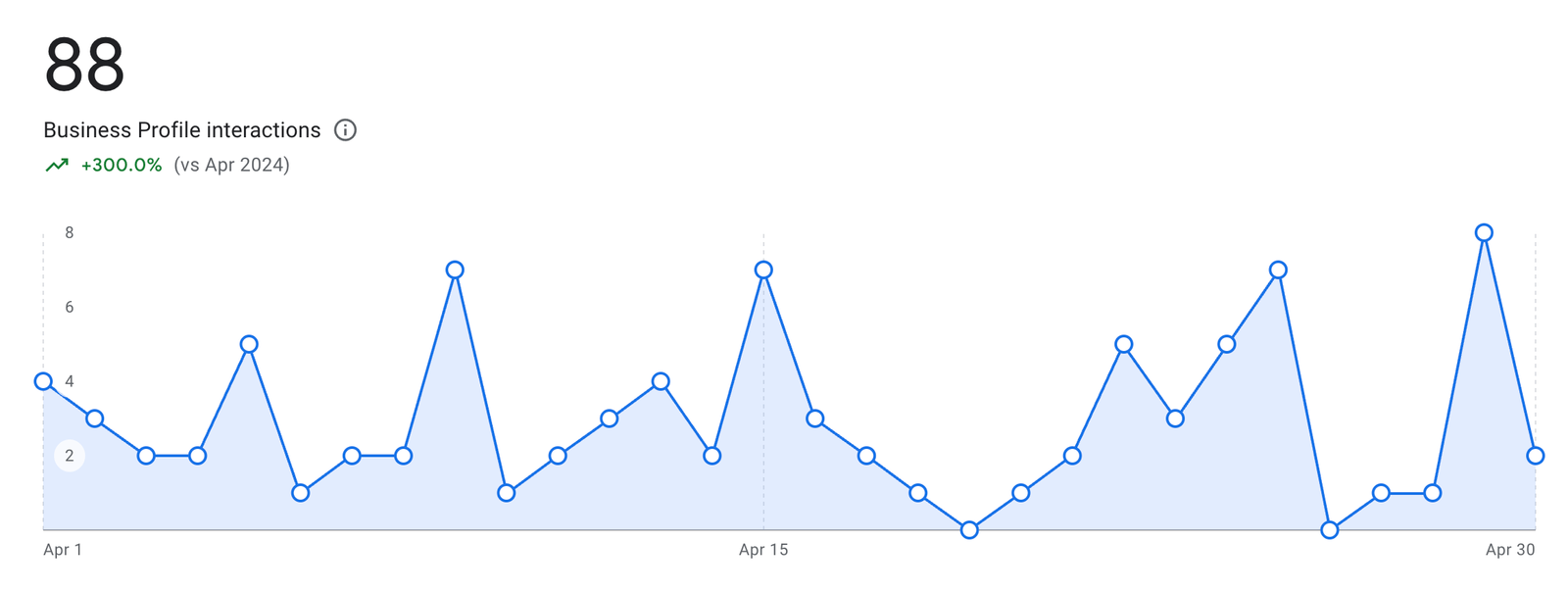
A Boston AI SEO Company recently investigated a number of regional brands after seeing sharp drops in organic traffic however increases in direct queries referencing "found you on ChatGPT." The clients had not changed their websites or paid for brand-new ads. Users simply discovered them through conversational AI tools instead of old-school search.
So the stakes are concrete: if your company isn't referenced by generative engines, you run the risk of becoming undetectable to a growing share of users who avoid standard searches entirely.
Understanding How LLMs Surface area Information
To optimize for generative engines, you require to grasp how big language designs (LLMs) gather and present knowledge:
- Data Sources: LLMs consume vast chests of public material: Wikipedia entries, news sites, Reddit threads, review aggregators, organization directories. Retrieval-Augmented Generation: Some chatbots bring fresh web results at action time; others rely heavily on their static training data. Entity Linking: LLMs map mentions ("Joe's Pizza") to knowledge graphs consisting of structured information - address, menu items, star ratings. Citation Heuristics: When models cite sources (as Perplexity typically does), they choose high-authority domains and clear attribution cues.
If your brand exists just on a seldom-visited website and no place else online, chances are slim it'll make it into LLM reactions. The more consistently you're referenced throughout trusted domains in both disorganized text and structured databases (like Google Business Profile or Yelp), the higher your possibility of being surfaced.
Battle-Tested Techniques: Making Mentions Throughout the Web
Simply tweaking meta tags will not suffice any longer. What matters is omnipresence throughout varied platforms:
1. Local Citations Still Move Needles
For location-based queries ("finest dental practitioner in Back Bay"), generative engines lean heavily on trusted directory sites: Yelp, TripAdvisor, Apple Maps Link. Claiming these profiles remains table stakes but enhancing them is crucial - upgrade descriptions with natural-sounding text that shows common user inquiries ("late-night urgent care," "family-friendly breakfast area").
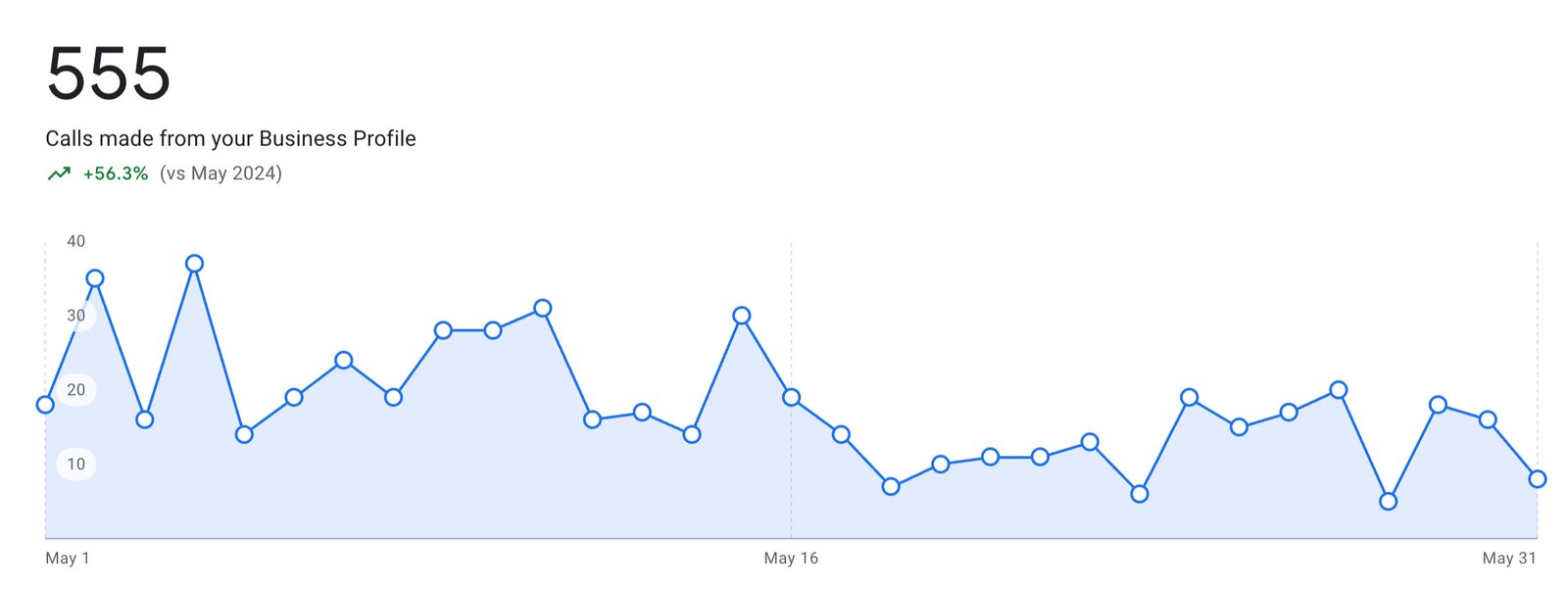
One Boston GEO SEO Agency saw a 32% boost in generative engine points out for their client after standardizing NAP (Name-Address-Phone) consistency across significant directory sites and layering in customer Q&A content.
2. Reviews Impact More Than Ratings
Review platforms aren't practically stars; they feed belief analysis inputs into LLMs. Encourage consumers to write in-depth feedback utilizing relevant keywords naturally - believe "peaceful office" or "vegan options offered."
After collecting over 50 brand-new Google evaluates pointing out crucial characteristics ("rooftop seating," "allergy-friendly menu"), an East Cambridge coffee shop saw its distinct functions highlighted more regularly when evaluated against various chatbots' regional recommendations.
3. Get Quoted in Reliable Media
LLMs obese input from developed news outlets and niche blog sites with real-world authority. Protecting interviews or thought-leadership pieces amplifies your presence far beyond backlinks alone.
A store law office dealt with a Generative Engine Optimization agency to pitch op-eds about progressing personal privacy laws to regional Boston SEO papers and reputable legal podcasts; within weeks they started appearing as recommended professionals in numerous AI-generated Q&A tools.
4. Structured Data Still Pays Dividends
Schema markup hasn't headed out of style - rather the opposite when targeting bots that parse JSON-LD embedded on your pages. Increase addresses (using LocalBusiness schema), item accessibility (Product schema), frequently asked question sections (FAQPage schema), and event information clearly.
When an indie book shop standardized their occasion listings utilizing schema.org markup and syndicated them via Eventbrite plus Facebook Occasions API feeds, they observed much higher addition of their readings calendar in conversational assistant actions about "what's occurring this weekend."
5. Utilize Contextual Content Partnerships
Guest posting isn't dead if done right: partner with surrounding local companies for cross-features that feel authentic instead of spammy link exchanges.
For example, a Somerville gym co-authored fitness guides with a nutritionist down the street; these posts appeared both on each site and were picked up by neighborhood forums like r/BostonFitness - which LLMs routinely crawl for hyperlocal context.
Crafting Material That Ranks in Chat Search
Generative engines reward clarity and context over keyword stuffing. Compose as if describing concepts to an intelligent layperson who desires specifics without lingo overload. Use concrete examples ("walkable from South Station," "open late Thursdays") considering that those details anchor entities within LLM worldviews.
Avoid uncertain phrasing or inside jokes unless you intend them only for human readers; bots battle with subtlety however excel at drawing out realities mentioned plainly.
When drafting service pages or article:
- Open with direct responses where possible Include supporting proof: testimonials, press coverage snippets Reference third-party recognitions ("included by Boston Magazine") Update regularly so web-scraping bots discover fresh information Link out kindly to authoritative resources
Measuring Success Beyond Old-School Analytics
Tracking generative engine visibility isn't as easy as inspecting Google rankings anymore. You need new approaches:
Testing Chatbot Results Directly
Every month (or even weekly throughout campaigns), query popular AI assistants using real user concerns: "Who are top realty agents near Fenway?" File whether your brand appears verbatim or through paraphrased references.
Monitoring Unbranded Mentions
Set up alerts using services like Mention.com or Brand24 not only for your business name however likewise flagship products/services explained generically ("Boston gluten-free bakery"). Numerous initial recommendations come from non-branded prompts addressed via AI summaries instead of direct name searches.
Analyzing Source Diversity
Count how many distinct platforms reference your business within recent months - aim for range covering mainstream media outlets, specialized directories appropriate to your vertical (such as Avvo for law firms), event listing sites if suitable, plus regional community blogs or forums.
If most citations cluster around one channel (say all from Yelp), expand outreach methods up until protection becomes more balanced because LLMs prioritize multi-source corroboration over single-site saturation.
Trade-Offs and Judgment Calls: Where Human Expertise Still Wins
Automating citation structure might sound appealing but carries genuine dangers: directory sites rife with low-grade spam can drag down viewed credibility among discerning bots trained on whitelists of reliable domains.
Similarly, purchasing fake evaluations backfires stunningly if flagged by moderators - not only will real clients observe artificial patterns however advanced language designs identify duplicative phrasing at scale during training sweeps.
Judgment matters when deciding which partnerships add true worth versus sound; skilled professionals know when to state no to visitor post swaps that use little contextual overlap regardless of domain authority metrics recommending otherwise.
Onsite content must balance uniqueness versus breadth: ultra-narrow focus might assist dominate odd questions yet limit reach when more comprehensive conversational triggers get interpreted loosely by AIs aggregating understanding across topics.
Staying Ahead: GEO SEO Is Not Set-And-Forget
The rate of change is excessive. GPT models update quarterly if not monthly now; brand-new entrants like Claude.ai surface different sources than legacy tools such as Siri or Alexa did just two years ago.
Best-in-class agencies review every element quarterly:
Audit all structured information executions for existing schema standards. Refresh directory profiles proactively as classifications evolve. Re-engage pleased consumers for topical reviews connected to recent service enhancements. Monitor tech press launches announcing updates to major chatbots' retrieval methods. Experiment with prompt engineering strategies created specifically for emerging desired entities without sounding artificially promotional throughout internal QA tests.By staying adaptive rather than dogmatic about methods that worked last year but falter today, GEO SEO experts preserve durable rankings even as algorithms alter unpredictably behind closed doors.
Looking Forward: Build Authority Like You Mean It
At its core Generative Engine Optimization rewards those who invest genuinely in reputation-building across both digital touchpoints and offline engagements echoed online: speaking at events covered by market publications; partnering on neighborhood efforts documented by local reporters; nurturing relationships so clients organically leave positive feedback all over they communicate digitally with your brand.
An experienced Boston AI SEO Agency doesn't see GEO SEO as a bag of techniques however rather an ongoing procedure rooted in genuine relationships and tactical amplification across every channel where people speak about what matters locally.
Those aiming simply to video game algorithms will always lag behind those who focus instead on ending up being vital knowledge sources - both humans looking for trustworthy suggestions and language designs discovering whom they must trust next time someone asks.
Success lies at the Boston seo firm intersection of technical acumen and human insight - acknowledging which levers move LLM attention today while cultivating lasting authority so that anywhere individuals ask concerns tomorrow yours is the name woven effortlessly into every relevant answer.
If increasing AI ranking feels frustrating amidst rapid innovation remember this much stays consistent: visibility follows value amplified all over reliable voices collect online-- whether indexed by spiders or synthesized by silicon storytellers shaping our next generation of discovery experiences.
To prosper in this era don't wait passively hoping old search strategies will be sufficient-- advance boldly into the world of GEO SEO where those who adjust attentively lead every conversation worth having next week-- both among neighbors searching close-by and amongst neural networks weaving tomorrow's responses from today's truths.
SEO Company Boston 24 School Street, Boston, MA 02108 +1 (413) 271-5058